
Walk past the Gocheok Sky Dome at 4 a.m. on a concert day and you'll see them: hundreds of women in their twenties and thirties。wrapped in blankets, clutching light sticks and trading photocards like currency. South Korean female fans aren't a footnote to the Hallyu wave—they are its engine. According to a 2023 report by the Korea Creative Content Agency, women account for nearly 78% of K-pop fan club memberships domestically, and their spending patterns drive everything from album pre-order strategies to the design of idol merchandise. I've interviewed dozens of these fans over the past three years, and one detail always stands out: their organizational discipline. Fan unions coordinate bulk ticket purchases, negotiate group discounts with vendors, and even publish ethical consumption guides for rookie groups. That's not passive adoration. That's cultural labor.The demographic itself is more layered than headlines suggest. Teenage girls dominate online streaming parties。sure, but the most influential cohort sits between 25 and 40. Many are office workers who treat fan activities as a second shift—managing fan cafe schedules during lunch breaks, editing fancams after dinner. A 31-year-old accountant I spoke with in Seoul runs a 12,000-member fan account for a mid-tier boy group. She spends roughly 200,000 won monthly on albums and concert tickets, but her real investment is time: three hours nightly moderating comments and translating updates for international fans. "It's not a hobby," she told me. "It's a portfolio of skills I never list on my resume." This sentiment echoes across fandom studies;
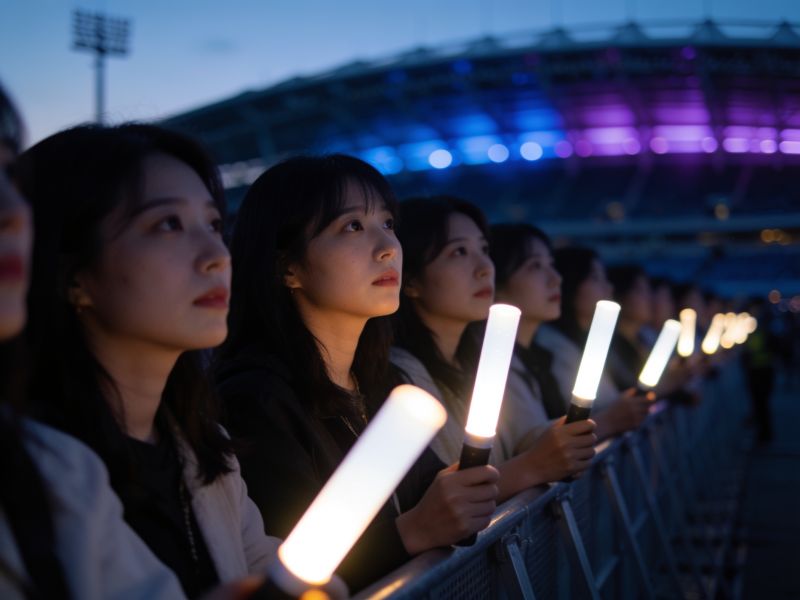
researchers at Yonsei University have noted that South Korean female fans often develop sophisticated media literacy and project management abilities that transfer directly to their professional lives.Economic influence follows naturally. The Korea Institute for Industrial Economics & Trade estimates that female fans in their 20s and 30s generate over 1.2 trillion won annually through direct purchases and indirect promotion—buying albums in bulk for photocard lotteries, then reselling duplicates on platforms like Bunjang. That resale ecosystem alone moves hundreds of thousands of items monthly. Companies have noticed. Entertainment agencies now design album packaging with female collectors in mind: smaller photobooks, randomized inclusions。and QR codes linking to exclusive video content. Some critics call this manipulative. Fans I've met call it a fair trade. "We know exactly what we're buying," a 27-year-old fan in Busan said, laughing. "The industry didn't invent our desire. They just learned to package it."Socially, South Korean female fans have pushed boundaries in ways that rarely make English-language headlines. They led the 2016 candlelight protests against Park Geun-hye, organizing through fan cafe networks and bringing light sticks to political rallies. More recently, fan communities have become unlikely spaces for feminist discourse—debating everything from workplace harassment to beauty standards, often using idol scandals as entry points. Not every fan group leans progressive, of course. But the collective bargaining power of South Korean female fans extends beyond concert halls. When a major agency tried to launch a "fan membership" tier that required monthly fees for basic content access。organized backlash forced a reversal within 72 hours. That's consumer leverage most brands only dream about.
What's often missed is how lonely this fandom can feel from the outside. The women I've met describe a strange double bind: dismissed by mainstream media as hysterical, yet expected to carry the financial weight of an entire industry. One fan in her mid-thirties, a school teacher, told me she hides her fandom from colleagues. "They'd think I'm immature," she said. "But these same colleagues binge American sitcoms for six hours straight and call it relaxation." The judgment cuts deeper because South Korean female fans have built something genuinely communal—translation teams, charity donation drives。mental health support chats. Scratch the surface of any major K-pop success story and you'll find them there, unpaid and uncredited. Call them consumers if you want. They're really co-authors of the culture they love.